
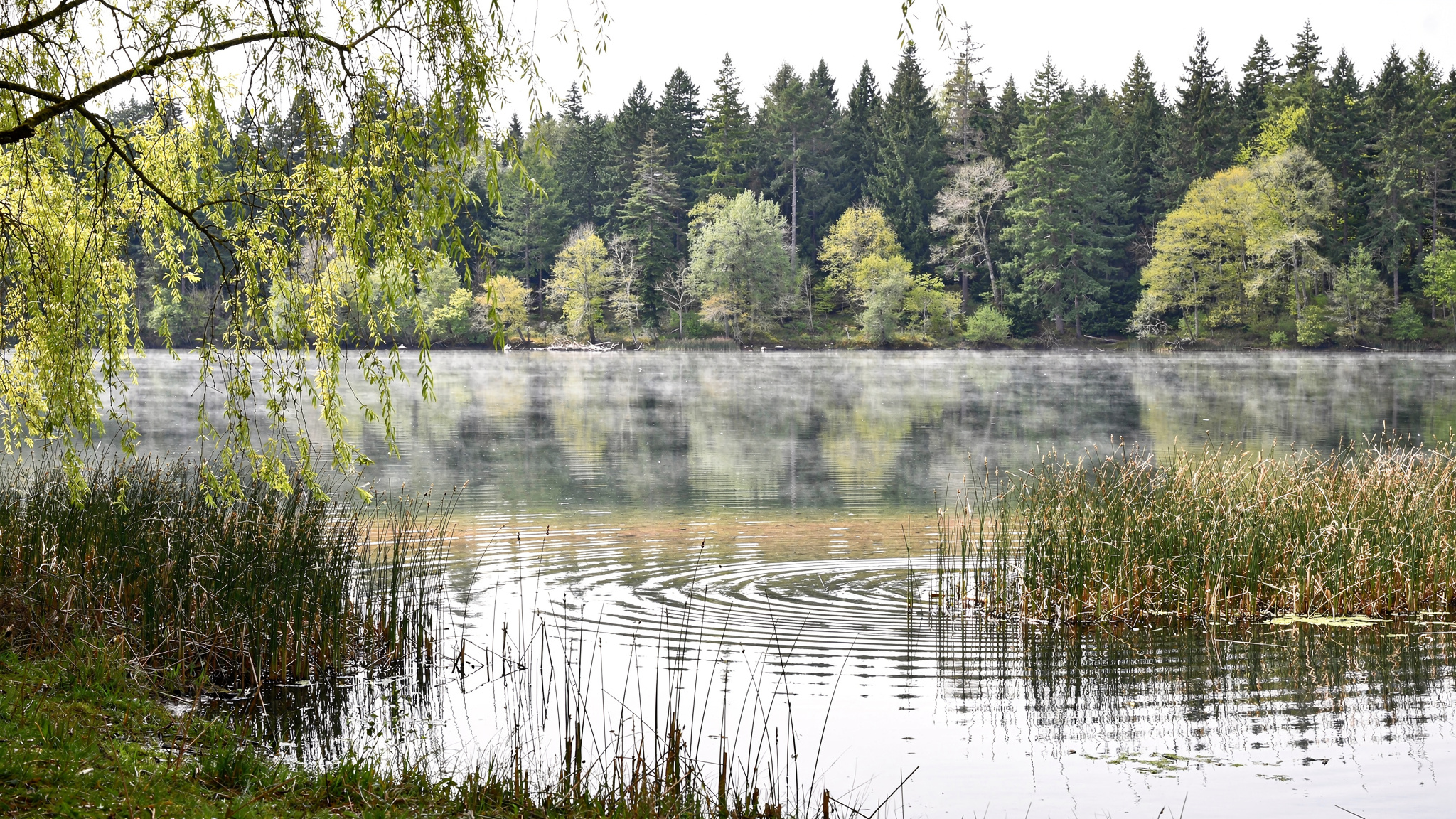
Burnaby Lake Regional Park is easy to underestimate from a single glance at a map. It reads as one more green patch tucked between residential streets in the middle of Burnaby, and in some ways that description is accurate. But the scale is genuinely larger than most visitors expect: the park covers about 146 hectares (360 acres) of wetland, forest, and open water, and the trail that circles the lake runs close to 10km, long enough that most people treat it as a proper outing rather than a quick stroll. Unlike Deer Lake Park or Central Park, which lean into manicured lawns and cultural facilities, Burnaby Lake keeps its focus on the water and the wetland ecology around it.
The lake itself has had a complicated relationship with the sediment that constantly threatens to fill it in, and the park’s management history is really a story about the tension between a shallow lake’s natural tendency to silt up and the human effort required to keep enough open water for paddling and wildlife habitat. That tension is still visible today if you know where to look, but it does not get in the way of what makes the park worth visiting: a long, mostly flat loop through second-growth forest and reed marsh, a boardwalk spit that puts you at eye level with turtles and waterfowl, and a nature house that gives the whole park a bit of an interpretive anchor.
The Lake Loop Trail
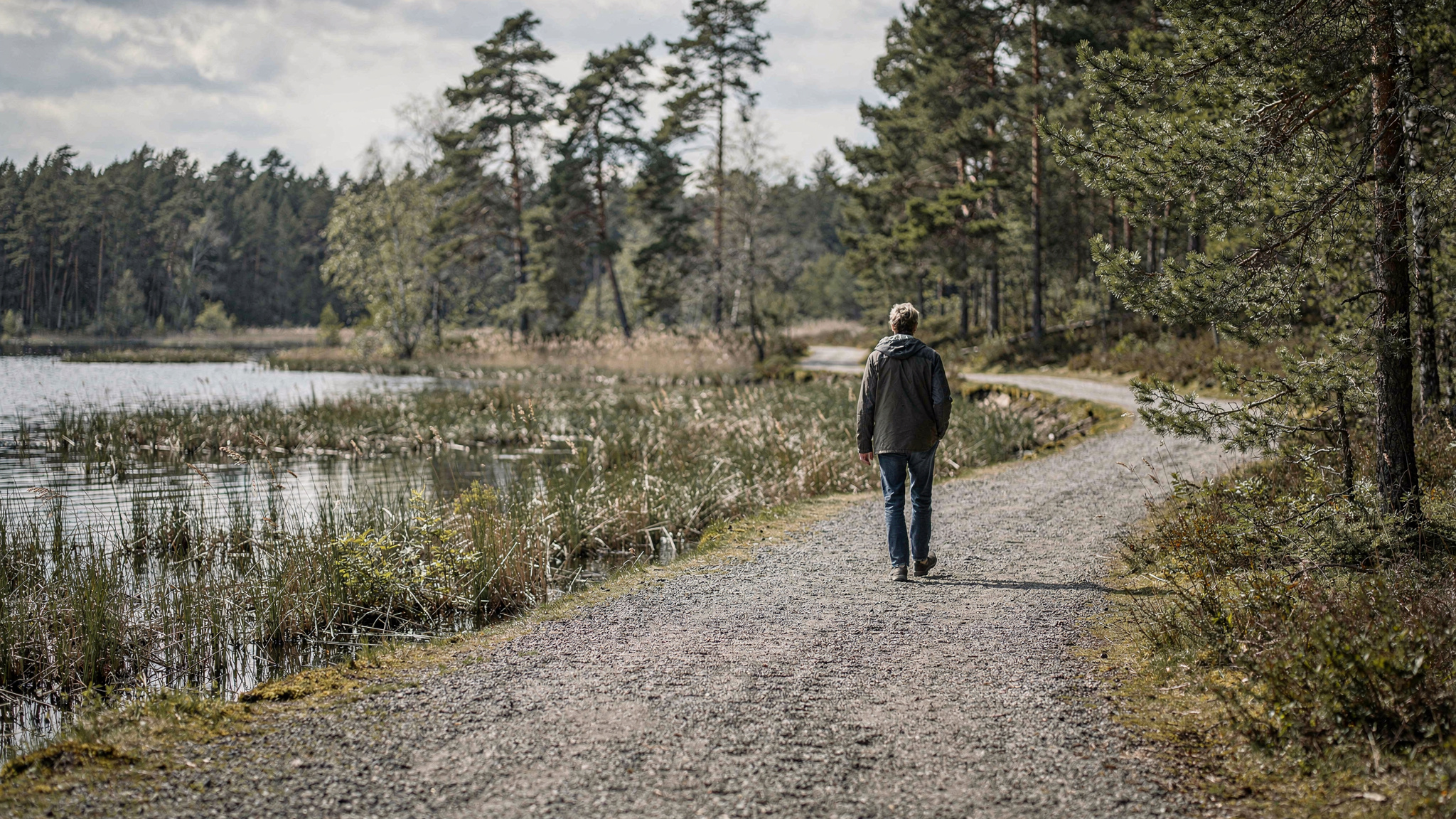
The main trail circling Burnaby Lake covers close to 10km and is the park’s central feature. Much of the route is flat and surfaced with gravel or compacted crushed stone, which keeps it walkable in most weather, though sections can still hold puddles after a long stretch of coastal rain. Most walkers plan on roughly two hours to complete the full loop at an easy pace, and cyclists move through considerably faster on the sections where riding is permitted.
The character of the trail changes noticeably as it moves around the lake. Stretches on the north and west sides run close to the water through reed beds and overhanging willow, with frequent gaps in the vegetation that open onto the lake itself. Other sections pull back into denser second-growth forest, where the trail feels more like a woodland walk than a lakeside path. The park’s total trail network extends beyond the lake loop itself, with additional pathways bringing the combined distance to close to 19km, including a portion set aside for horseback riding.
Because the loop is long and largely shaded, it holds up well across the seasons. Winter walks tend to be quiet and a little moody, with mist sitting low over the water. Spring and early summer bring the most bird activity and the greenest understory. However you plan the visit, comfortable footwear that can handle occasional soft ground is worth having, since a fully paved surface is not consistent around the entire loop.
Piper Spit and the Nature House
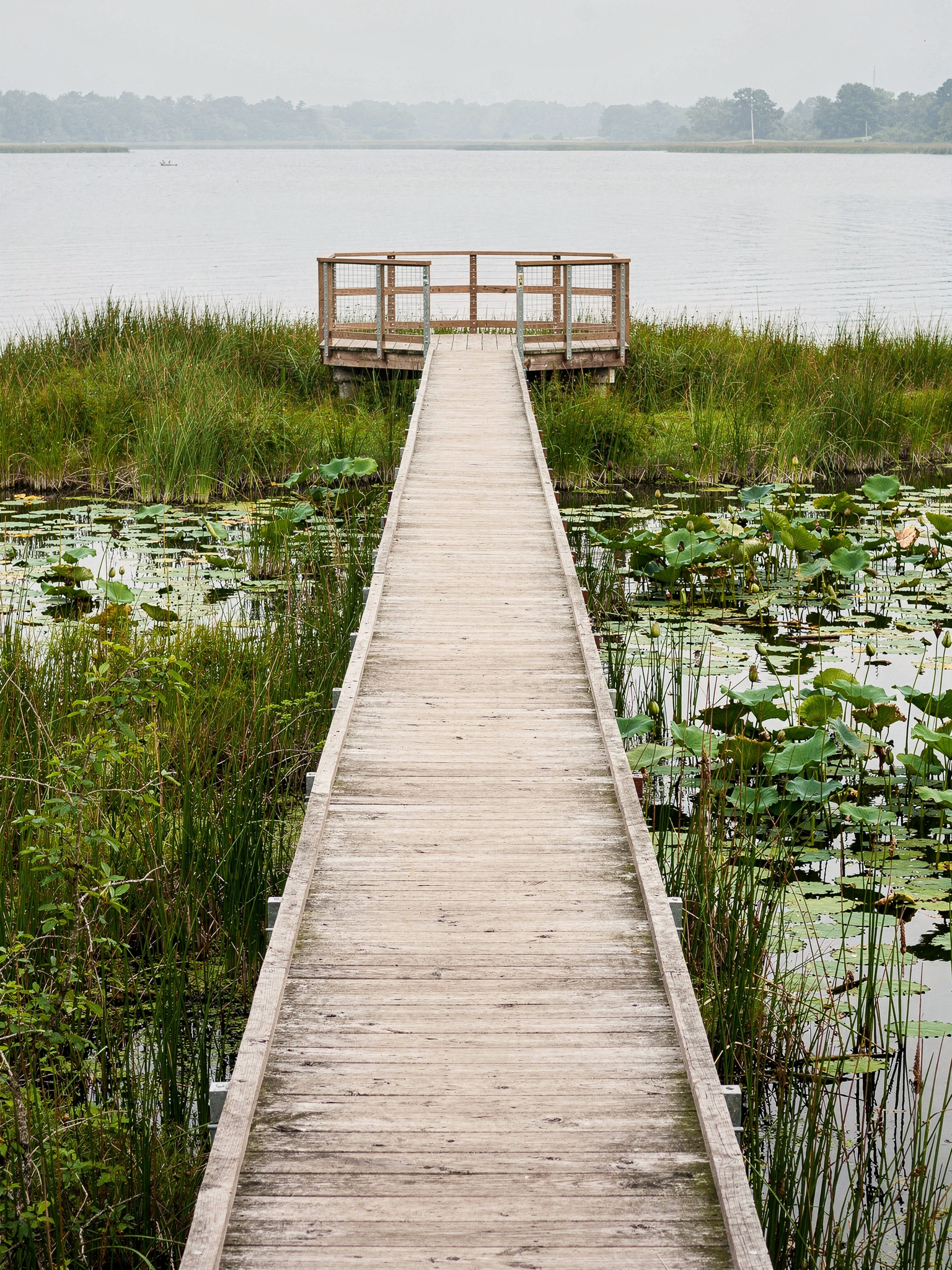
Piper Spit, on the lake’s north shore, is the single best stop for anyone who wants a close wildlife encounter without committing to the full loop. A boardwalk extends out over the water, and a wheelchair-accessible viewing tower nearby gives an elevated look across the lake toward the open water and reed beds beyond. It is a short, easy detour from the main parking area and works well even for visitors who only have twenty or thirty minutes to spare.
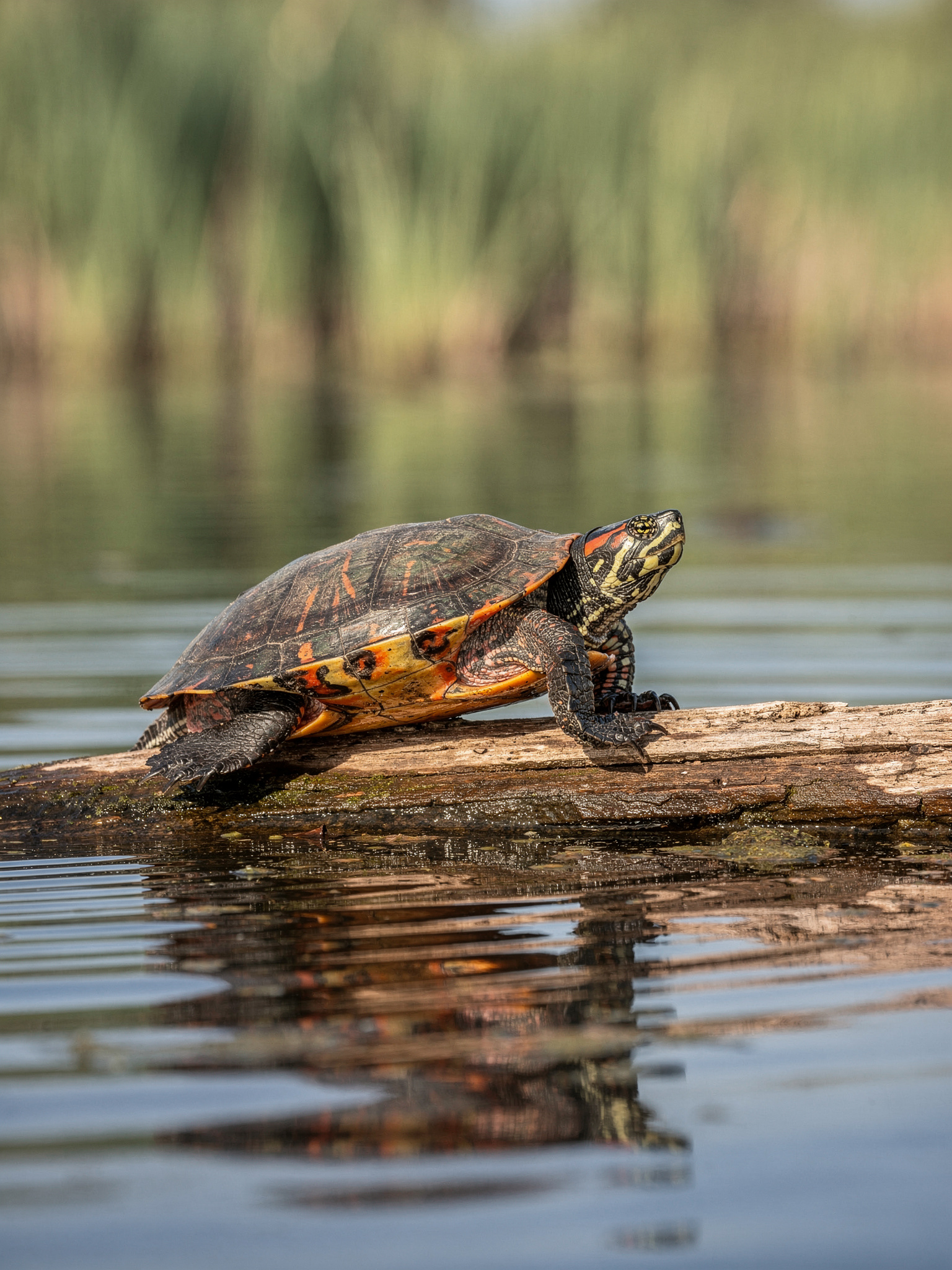
The spit is best known locally as a reliable spot to see western painted turtles basking on logs and rocks near the water’s edge on sunny days. Some of the turtles carry small painted numbers on their shells, marks left by a long-running conservation study tracking the local population of this at-risk species. Beavers, great blue herons, and a rotating cast of ducks and other waterfowl round out what you are likely to see from the boardwalk over the course of a season.
The Nature House sits right at Piper Spit and functions as the park’s interpretive centre, with displays and staff-led programming aimed at introducing visitors to the wetland ecosystem. It generally keeps weekend and holiday hours through the summer season rather than staying open daily year-round, so it is worth checking current hours before planning a visit built specifically around it.
Rowing, Paddling, and the Lake’s Sediment Story
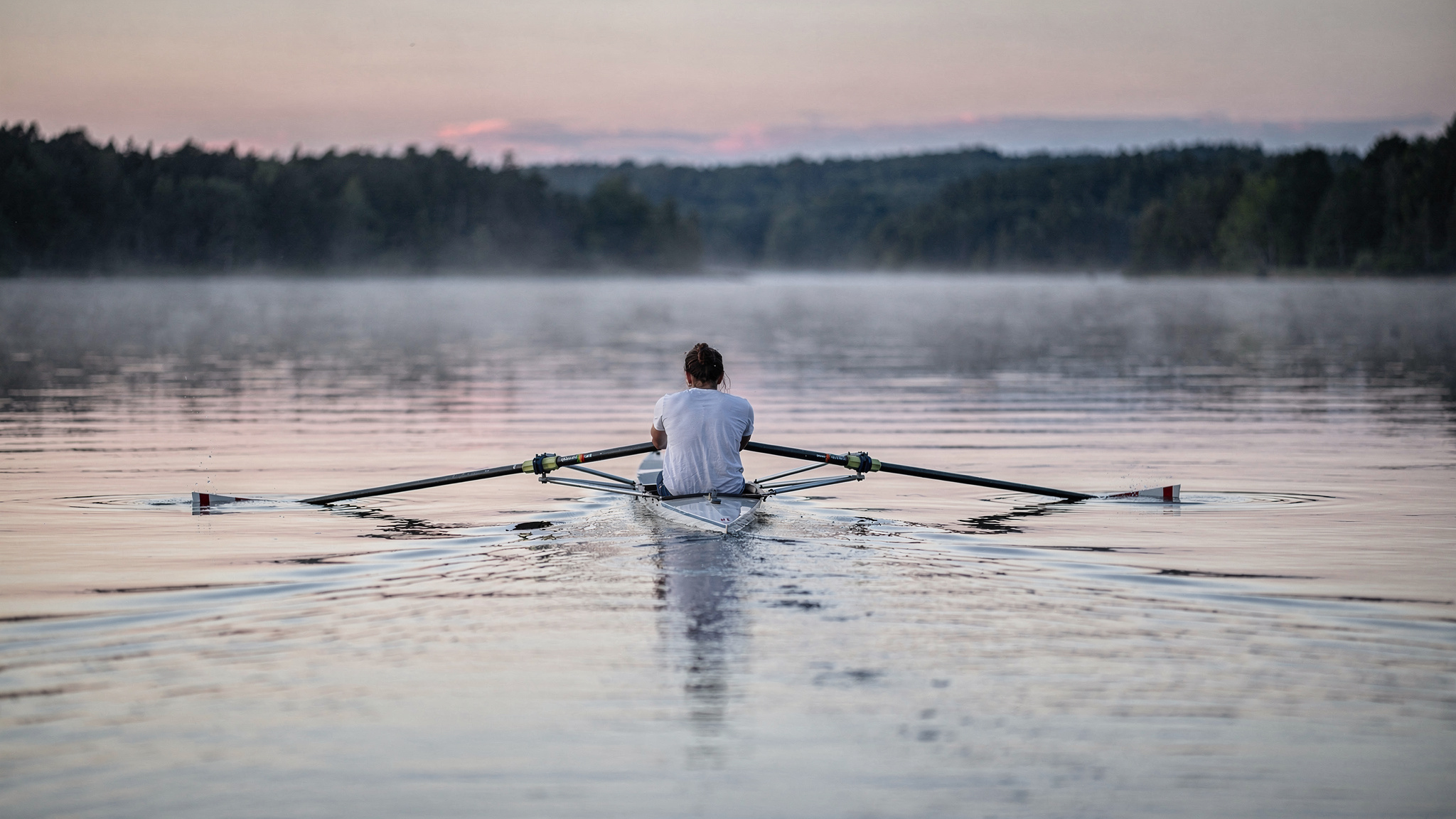
Burnaby Lake has a long history as a competitive rowing and paddling venue, and the Burnaby Lake Rowing Club continues to operate from the lake today. The connection goes back decades: the lake was first dredged in the early 1970s in preparation for a major multi-sport games hosted in the region, which established the straight open-water course still used for training and racing.
Being a shallow lake, Burnaby Lake naturally fills in with sediment over time, and by the early 2000s that process had advanced enough that parts of the lake were becoming difficult to use for competitive paddling and were drifting toward marsh and mudflat. A major dredging project completed in the early 2010s reopened the course and restored deeper water across a meaningful stretch of the lake, and the sport continues to make active use of it.
For visitors, this history is mostly visible as a contrast: the straight, open rowing course on one part of the lake against the reedy, shallow, marsh-like margins elsewhere. On weekend mornings in the warmer months, it is common to see rowing shells or paddlers moving across the open water while herons work the shallows nearby, which is a good snapshot of how the working lake and the wildlife habitat share the same small basin.
Wetland Wildlife Through the Seasons
The wetland habitat around Burnaby Lake supports one of the richest bird lists of any park in the region, and the reed marsh and shallow margins are the reason why. Great blue herons are a near-constant presence, standing still in the shallows for long stretches before a sudden strike. Belted kingfishers, ospreys, and bald eagles are all regularly reported around the lake, along with a long list of ducks and other waterfowl that shifts with the season as migratory species pass through or overwinter.
Beavers are active around the lake’s edges and their presence shapes some of the shoreline vegetation directly, through felled branches and the occasional dam or lodge visible from the trail. Western painted turtles, the species most associated with Piper Spit, are most visible on warm, sunny days when they climb out to bask, and are far less obvious on overcast or cool days when they stay submerged.
Because the park sits at the convergence of several small watercourses feeding into the lake, the marshy fringes support a range of amphibians and smaller wildlife that reward a slow, quiet pace more than a brisk one. Bringing binoculars is worth it almost anywhere along the loop, but especially near Piper Spit and along the quieter, more vegetated stretches away from the main parking areas.
Getting to Burnaby Lake Regional Park
The park sits in central Burnaby, with the Piper Spit access point reached from Piper Avenue on the north side of the lake. Several other access points and parking areas are spread around the perimeter, so the best entry point really depends on which section of the loop you are aiming to explore first.
Public transit reaches the general area via bus routes serving central Burnaby, with a walk of a few minutes from the nearest stops to the main entrances. Driving is straightforward, with parking available at the main access points, though the lots nearest Piper Spit can fill up on sunny weekends given how popular that stretch is with families and casual visitors.
The park is managed by Metro Vancouver’s regional parks program, with the City of Burnaby as the underlying landowner, and both bodies periodically post updates on trail conditions, dredging or restoration work, and seasonal facility hours. Checking ahead is worthwhile if a specific amenity, like the Nature House, is central to your visit.
Tips for Visiting Burnaby Lake Regional Park
Head to Piper Spit first if your visit is time-limited. It delivers the best concentration of easily seen wildlife, including the painted turtles, for the smallest amount of walking.
Sunny days bring the turtles out to bask, so if seeing them is a priority, aim for a warm, clear morning rather than an overcast one.
The full lake loop is close to 10km, so budget close to two hours if you intend to walk the entire perimeter rather than just the Piper Spit section.
Weekend mornings in the warmer months are the best time to see rowing or paddling activity on the open-water course, alongside the usual wetland birdlife working the shallows nearby.
Questions Often Asked
How long is the trail around Burnaby Lake?
The main loop around the lake is close to 10km, generally taking around two hours to walk at a comfortable pace. The park’s broader trail network, including additional pathways beyond the lake loop, extends to roughly 19km in total.
What is Piper Spit?
Piper Spit is a boardwalk and viewing area on the lake’s north shore, with a wheelchair-accessible viewing tower and the park’s Nature House nearby. It is the most popular spot in the park for seeing western painted turtles, beavers, and waterfowl at close range.
Is the Nature House open year-round?
The Nature House at Piper Spit typically operates on weekends and holidays through the summer season rather than staying open every day year-round, so it is a good idea to check current hours before planning a visit around it.
Can you swim in Burnaby Lake?
Burnaby Lake is not set up for swimming. The lake is used for rowing and paddling on its open-water course and serves as wetland habitat elsewhere, and its shallow, silty margins are not suited to swimming.
Is Burnaby Lake Regional Park different from Deer Lake Park?
Yes. Burnaby Lake Regional Park is a larger wetland-focused park built around a shallow lake with a nearly 10km perimeter trail, a nature house, and a rowing course, while Deer Lake Park is a smaller, more manicured park centred on cultural facilities like the Shadbolt Centre for the Arts and the Burnaby Village Museum.