
Burnaby has spent decades operating in Vancouver’s cultural shadow, and the result is an arts scene that has had to develop on its own terms rather than positioning itself relative to a more famous neighbour. The city has built genuine cultural infrastructure in the Shadbolt Centre for the Arts, the Burnaby Art Gallery, and the Burnaby Village Museum, and it has nurtured an independent culture in Burnaby Heights that runs on community investment rather than tourism. This is not a scene designed for visitors, and that is precisely what makes it interesting.
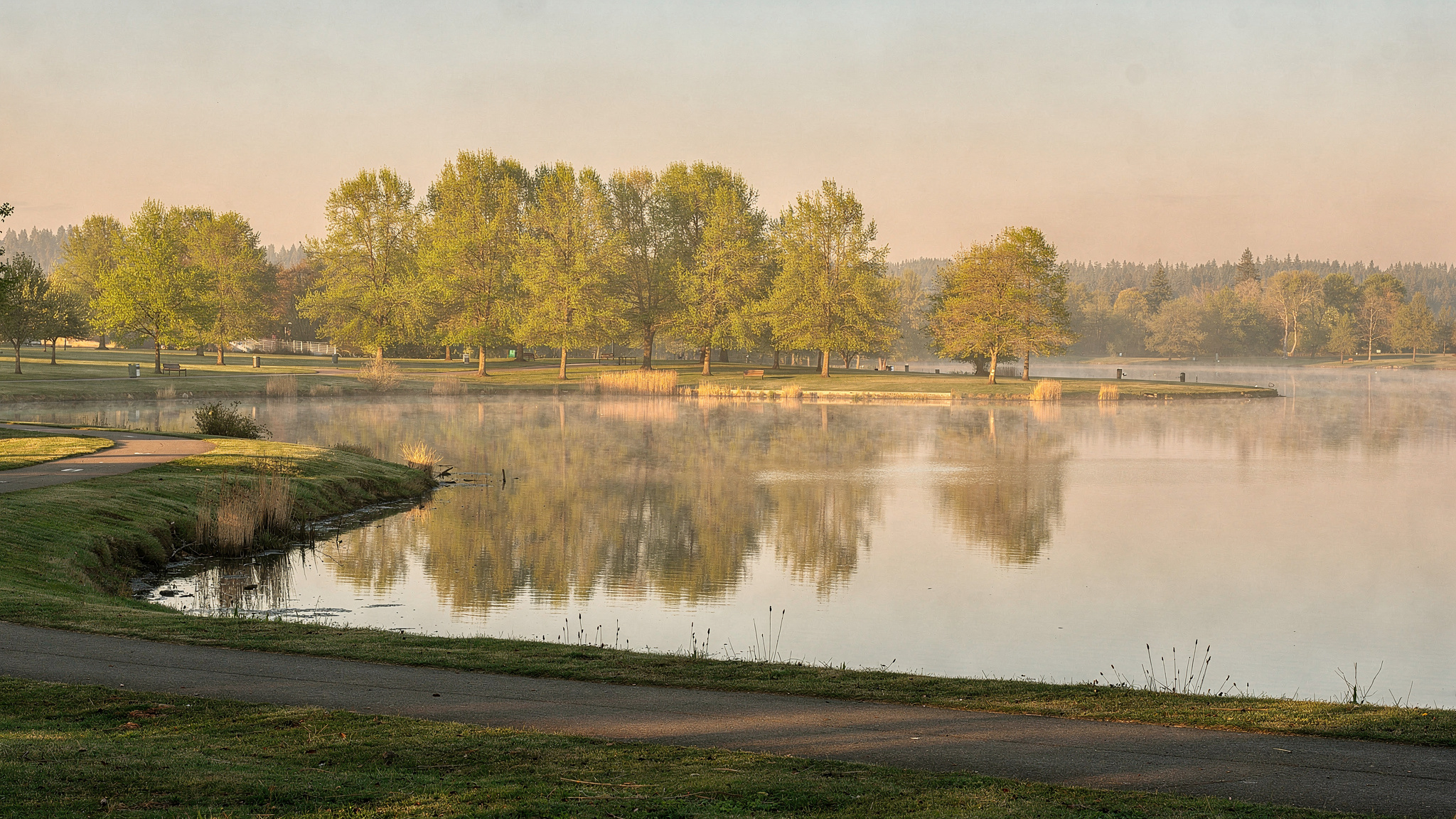
The geographic spread of Burnaby’s cultural assets reflects the city’s polycentric character. Deer Lake Park in central Burnaby is the cultural anchor, with the Shadbolt Centre and the Village Museum on the same waterfront. The Burnaby Art Gallery sits nearby. Burnaby Heights up the North Road corridor is the independent end, with gallery spaces, studios, and a coffee-shop-meets-arts-space culture that has sustained itself through the neighbourhood’s evolution. Public art shows up throughout the city, in the SkyTrain stations, at Metrotown, and in the parks.
Shadbolt Centre, Burnaby Art Gallery, and the Deer Lake Cultural Campus
The concentration of cultural facilities at Deer Lake makes this part of central Burnaby a genuine cultural campus. The Shadbolt Centre for the Arts is the main performing and visual arts facility, with theatre spaces, ceramics studios, painting and drawing programs, and a public gallery that shows work by BC and national artists. The building’s lakeside position and its integration of interior and exterior spaces make it one of the more architecturally considered arts facilities in the region.
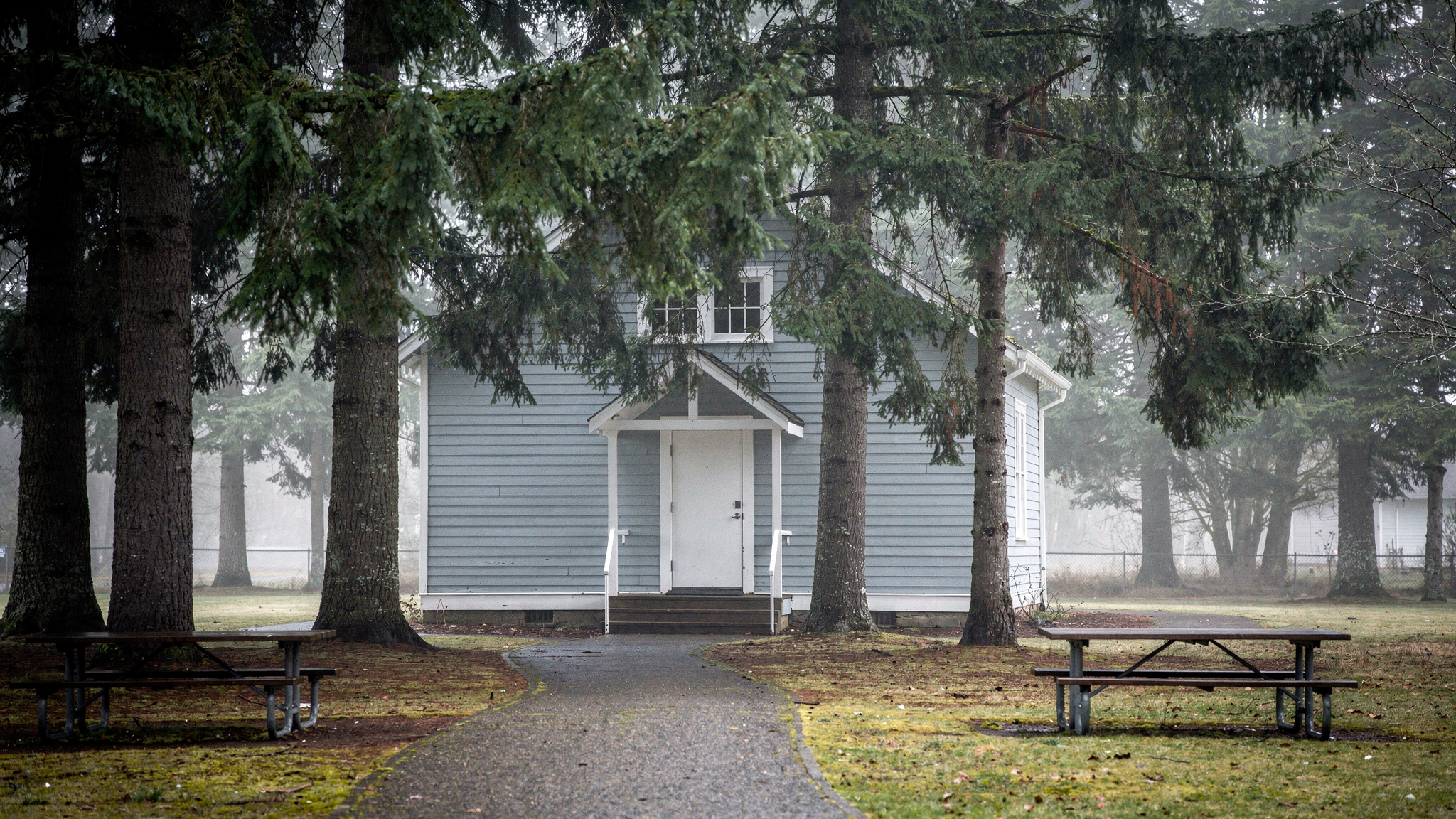
The Burnaby Art Gallery sits in the historic Ceperley House, a heritage mansion near the Deer Lake waterfront that was one of the original grand houses in the area. The gallery uses both the heritage building and a contemporary addition to present its collection and programming. The permanent collection emphasizes Canadian art with particular strength in BC artists, and the temporary exhibition program brings nationally significant shows to the space throughout the year.
The combination of these facilities in a single park setting means that a half-day cultural visit to Deer Lake can take in contemporary visual art at the gallery, performance or studio work at the Shadbolt, and the historical dimension of the Village Museum, all within easy walking distance. This is a more complete cultural offering than many larger cities manage and it operates largely without the profile it deserves.
Burnaby Heights as an Independent Arts and Coffee Corridor
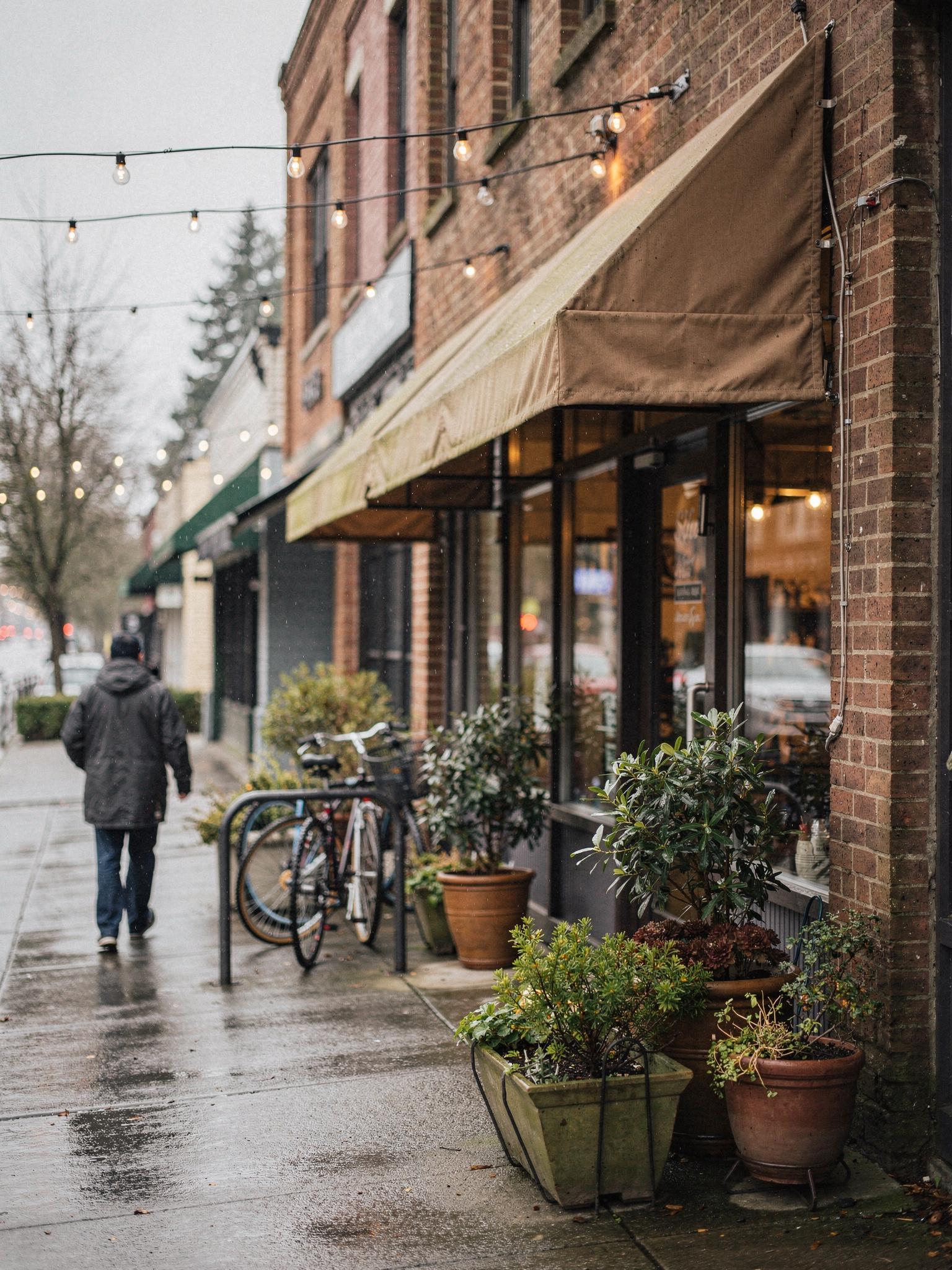
Burnaby Heights has never been programmed as an arts district, and this is what gives it its character. The commercial strip along Hastings Street east from Boundary Road developed organically around the community that lives in the surrounding residential neighbourhoods, and the arts and creative spaces that have established themselves there did so because rents were manageable and the neighbourhood was supportive rather than because a developer decided the area needed cultural cachet.
Several galleries and artist-run spaces operate in Burnaby Heights, occupying older commercial buildings in the strip and along the side streets. These are genuine working spaces, not lifestyle retail dressed up as galleries, and the programming reflects a commitment to the kind of challenging and experimental work that is increasingly difficult to sustain in Vancouver’s commercial real estate environment. The proximity to the community means these spaces have genuine audiences rather than depending entirely on the art-tourism circuit.
The cafe culture in Burnaby Heights is inseparable from the arts and creative scene. Several cafes have functioned as informal exhibition spaces over the years, showing local artists’ work on their walls and hosting occasional events. The Greek and Korean communities that give the Heights its particular food character also bring a sense of neighbourhood gathering that keeps the commercial strip alive in ways that purely trendy districts rarely achieve.
Public Art at Metrotown and Throughout the City
Burnaby has invested consistently in public art, and the results are visible throughout the city in ways that make the urban environment more interesting than it would otherwise be. The SkyTrain stations are a particularly good showcase: the stations at Metrotown, Brentwood, Holdom, and others have permanent art installations commissioned as part of the station design. These range from mosaic work referencing the history of the site to sculptural elements integrated into the architecture.
Metrotown’s outdoor plazas and the commercial areas around the mall have a collection of public sculptures and installations that are easy to walk past without noticing but reveal themselves on slower inspection. The city coordinates public art placement through a percent-for-art program that allocates a portion of major development budgets to commissioned work, and the cumulative effect over decades of development is a city that has genuine public art rather than token gestures.
The parks system throughout Burnaby includes significant public art placements, with Central Park, Deer Lake Park, and the smaller neighbourhood parks all featuring commissioned and donated works. The Burnaby Public Art Registry, available through the city’s website, documents the full collection and can guide a self-directed tour of the city’s outdoor art through different neighbourhoods.
South Slope Viewpoints and Burnaby Mountain
The topography of Burnaby creates natural viewpoints that are part of the city’s aesthetic identity even if they are not programmed as cultural attractions. The south slope of Burnaby Mountain, where Simon Fraser University sits, offers views over the Fraser River, the Gulf Islands, and on clear days across to the Olympic Peninsula in Washington State. The university’s public areas are accessible by bus and the views from the campus edge are among the finest in the region.
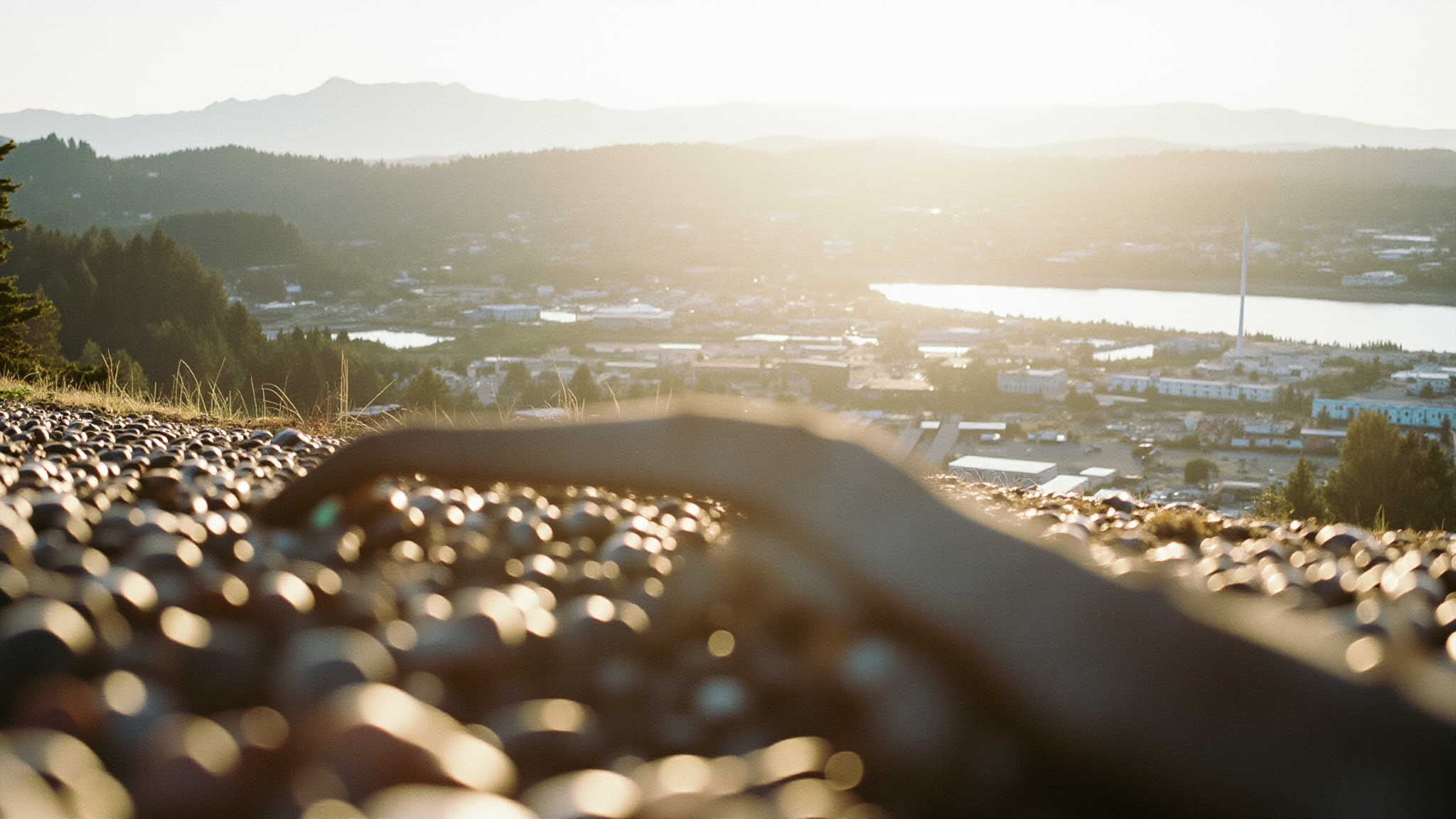
The South Slope neighbourhood of Burnaby, on the hillside south of the Metrotown area, has several street-end viewpoints where the city drops away toward the Fraser River and New Westminster. These are local knowledge spots rather than marked viewpoints, but they offer perspectives on the region’s industrial and residential geography that are genuinely striking. The grain terminals and industrial facilities along the Fraser, seen from a hillside residential street in the evening light, have a kind of rough beauty that is its own form of cultural landscape.
Burnaby Mountain Conservation Area surrounds the SFU campus and contains trail networks through second-growth forest with elevated views over the Burrard Inlet and the mountains to the north. The forest itself is a cultural resource in the sense that preserved urban forest accessible to a dense population is a form of public amenity that shapes quality of life and community identity. The mountain has been a site of community mobilization and public debate that reflects the city’s complicated relationship with development and conservation.
What Makes Burnaby’s Arts Scene Distinct from Vancouver’s
The most honest distinction is scale and commercial pressure. Vancouver’s arts scene operates under the continuous pressure of real estate economics that have made sustaining artist studios, small galleries, and community arts spaces extremely difficult. Burnaby, with lower rents and a less tourism-driven economy, has maintained spaces and institutions that have been displaced from Vancouver proper. This is not glamorous, but it is real.
Burnaby’s multicultural arts scene reflects the city’s demographics in a way that Vancouver’s more visible cultural institutions often do not. The Korean, Chinese, South Asian, and Filipino communities in Burnaby each have their own cultural organizations, festivals, and creative communities that operate largely independently of the mainstream arts circuit. The aggregate of these parallel cultural lives is a city with a genuine richness that is rarely captured in any single overview.
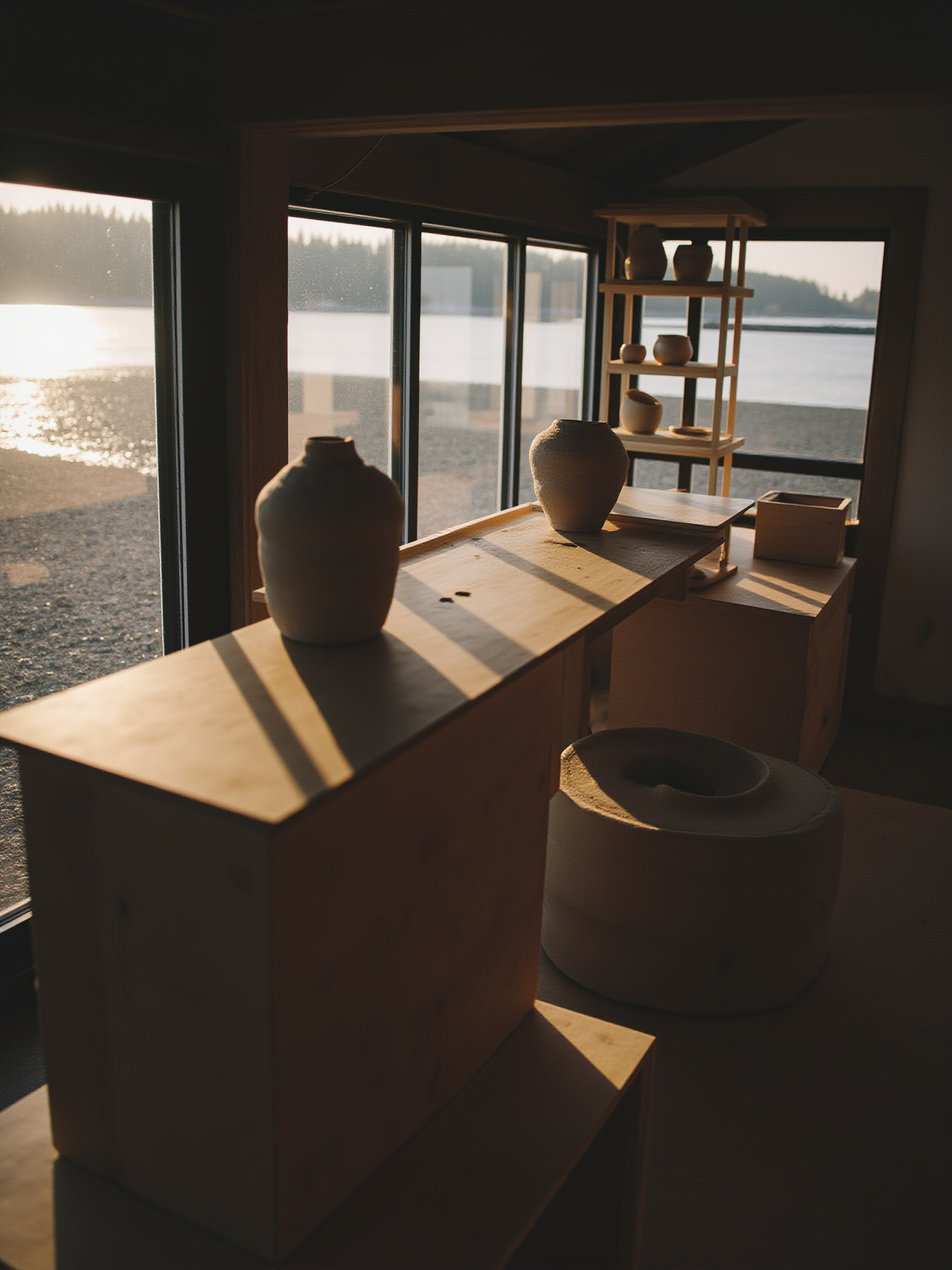
The Shadbolt Centre’s ceramics program is perhaps the clearest example of what Burnaby does that Vancouver cannot easily replicate: a well-equipped community ceramics studio with gas kilns, wheel throwing, and hand-building facilities accessible to working artists at rates that have become impossible to sustain in Vancouver. This is the kind of genuine infrastructure that makes a creative community possible rather than just visible.
Tips for Exploring Burnaby Arts and Culture
Check the Shadbolt Centre and Burnaby Art Gallery websites for current exhibitions and programming before visiting. Both update regularly and the programming is the reason to make the trip rather than the buildings alone.
The Burnaby Village Museum is best visited with at least two hours. The heritage village format rewards slow exploration and the costumed interpreters are worth spending time with.
Burnaby Heights is best explored on foot from the Hastings and Boundary area heading east. Budget an hour or two for a slow walk with stops at galleries, cafes, and any storefront that looks interesting.
The Burnaby Public Art Registry is available online and documents the full collection throughout the city. Browsing it before a visit helps orient what to look for in the SkyTrain stations and parks.
Questions Often Asked
What are the main cultural attractions in Burnaby?
The Shadbolt Centre for the Arts, Burnaby Art Gallery, and Burnaby Village Museum at Deer Lake Park are the primary cultural institutions. Burnaby Heights provides an independent gallery and arts corridor, and public art installations are distributed throughout the city.
Is there an arts district in Burnaby?
Burnaby Heights along Hastings Street functions as an informal arts and creative corridor with gallery spaces, artist studios, and a lively cafe culture. It is not a formally designated arts district but has the character of one.
How does Burnaby’s arts scene compare to Vancouver’s?
Burnaby’s scene is less prominent but more sustainable in some respects, with lower rents supporting studios and gallery spaces that have been displaced from Vancouver. The multicultural depth of Burnaby’s arts community is a genuine strength.
Is the Burnaby Art Gallery worth visiting?
Yes. The gallery occupies the heritage Ceperley House at Deer Lake and maintains a collection focused on Canadian art with particular strength in BC artists. Temporary exhibitions bring nationally significant shows to the space. Admission is free.