
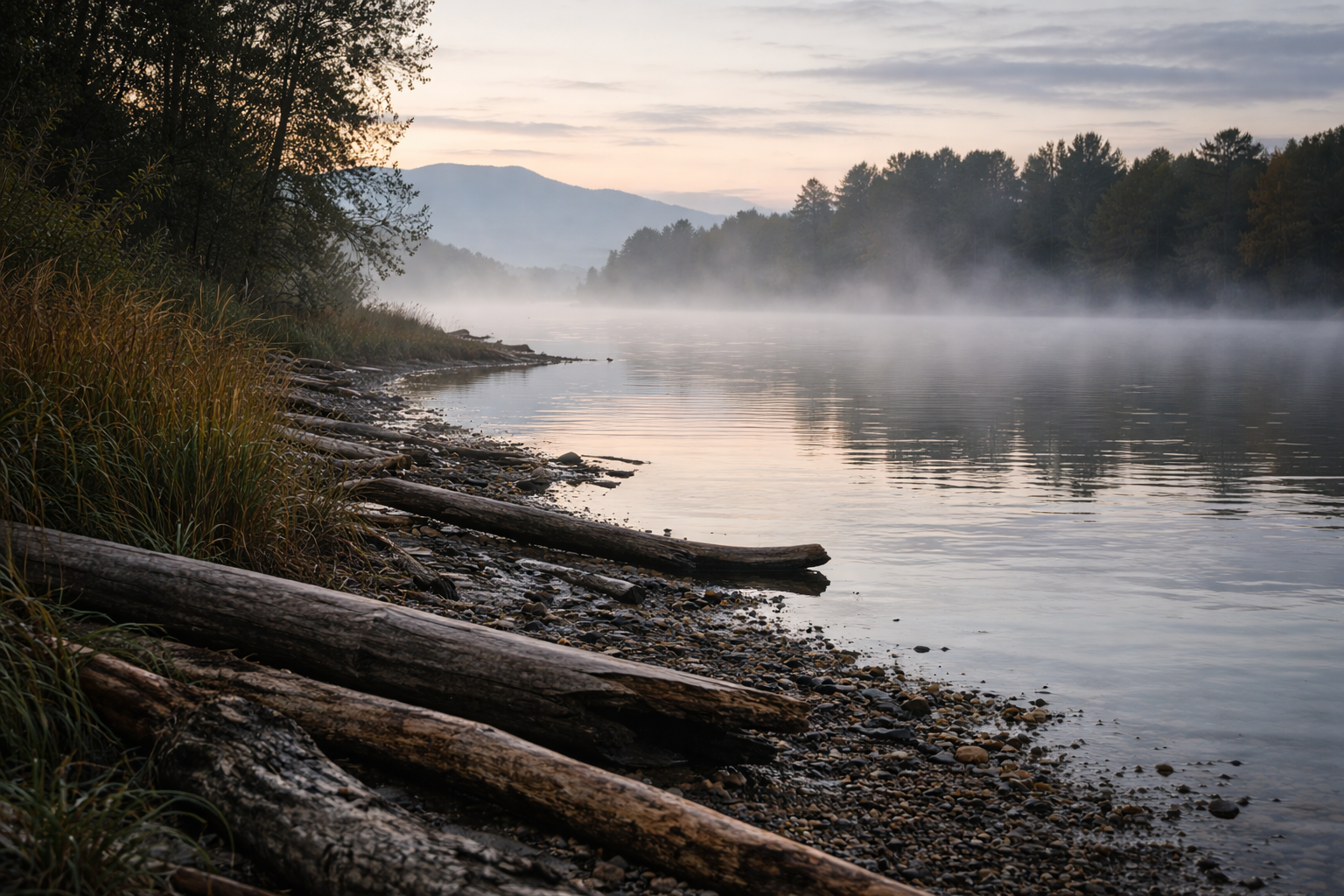
We walk along the same Fraser River banks where the xʷməθkʷey̓əm (Musqueam) and Skwxwú7mesh (Squamish) peoples built cedar longhouses and fished for salmon thousands of years before European settlers arrived to farm the fertile Burnaby lands in the 1860s.
Burnaby grew from a district municipality in 1892 to become one of Metro Vancouver’s most distinctive communities, blending our three neighbourhoods of Edmonds, Brentwood, and Capitol Hill whilst keeping nearly 200 heritage sites intact.
The Douglas J. Husband Discovery Centre and Burnaby Archives connect us with the stories that built our neighbourhoods into what you see around you today.
Indigenous Foundations: Musqueam First Nation
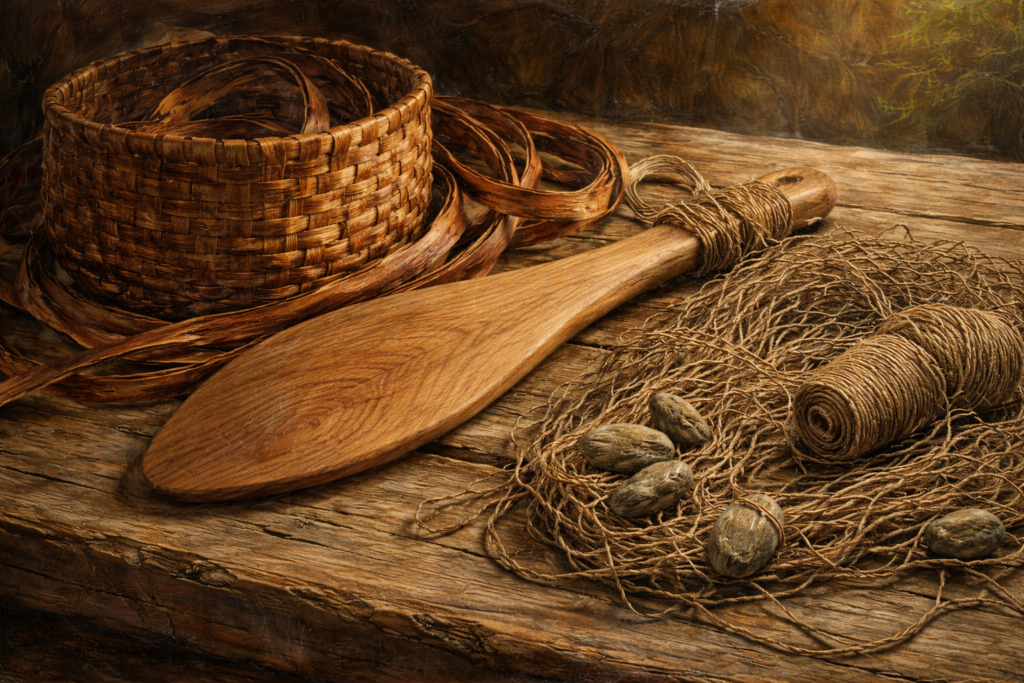
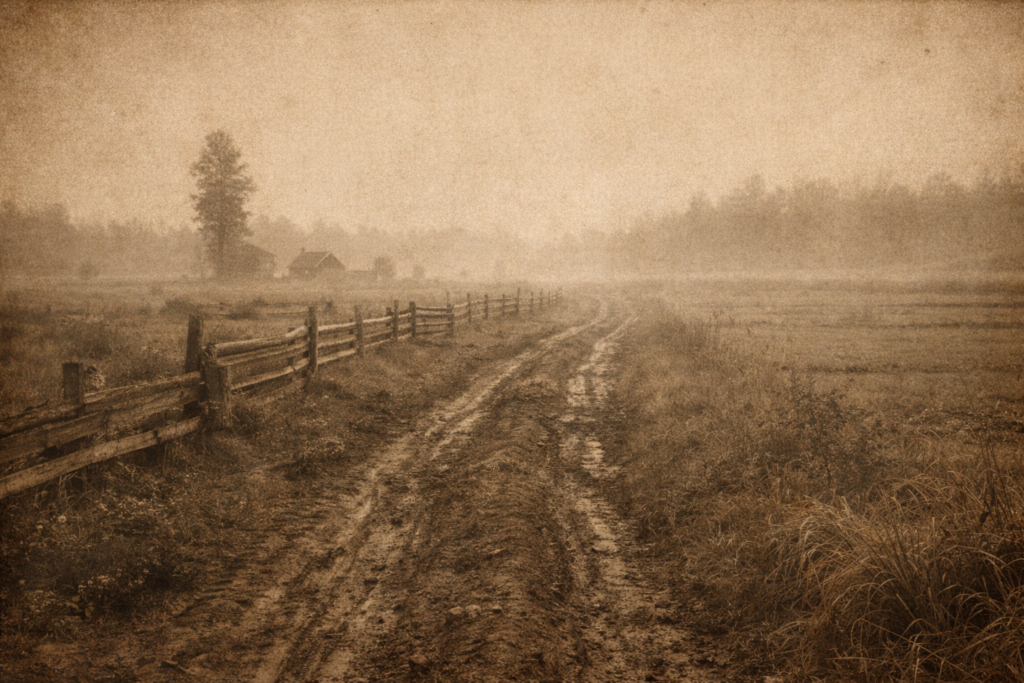
Every morning, mist still drifts up from the Fraser River, the same way it did when the Musqueam and Squamish peoples built their first villages along these rich waters thousands of years ago. We walk through neighbourhoods that sit on traditional territories where salmon runs brought food to families and cedar provided shelter, clothing and canoes for generations. Archaeological sites in Burnaby date back to at least 400 BC, with some finds reaching as far back as 2260 BC. Burnaby’s story starts with these Coast Salish Nations, who understood every curve of our river, every gift each season brought. You can still hear their heritage in the place names we use today. When we look back at Burnaby’s past, we find a deep history that laid the foundation of our community centuries before Europeans arrived.
From Settlement to Municipality: Burnaby’s Early Years
Burnaby grew from wilderness and scattered homesteads to the connected community we know today. William Holmes is recognized as the area’s first settler, arriving in the 1850s, and the Fraser Valley Gold Rush of 1858 drew more people into the region. The land around 6th Street and Edmonds was the first to attract settlers in any real number, and that early growth became the neighbourhood we now call Edmonds. When Vancouver and New Westminster businessmen began building an interurban tram line between the two cities in 1891, local landowners organized a government to help pay for roads and bridges, and Burnaby received its charter of incorporation in 1892. Those early settlements grew into our three distinct communities that shape Burnaby today, and each area still reflects the character of the families who decided to make this place their home.
Cultural Heritage and Community Identity
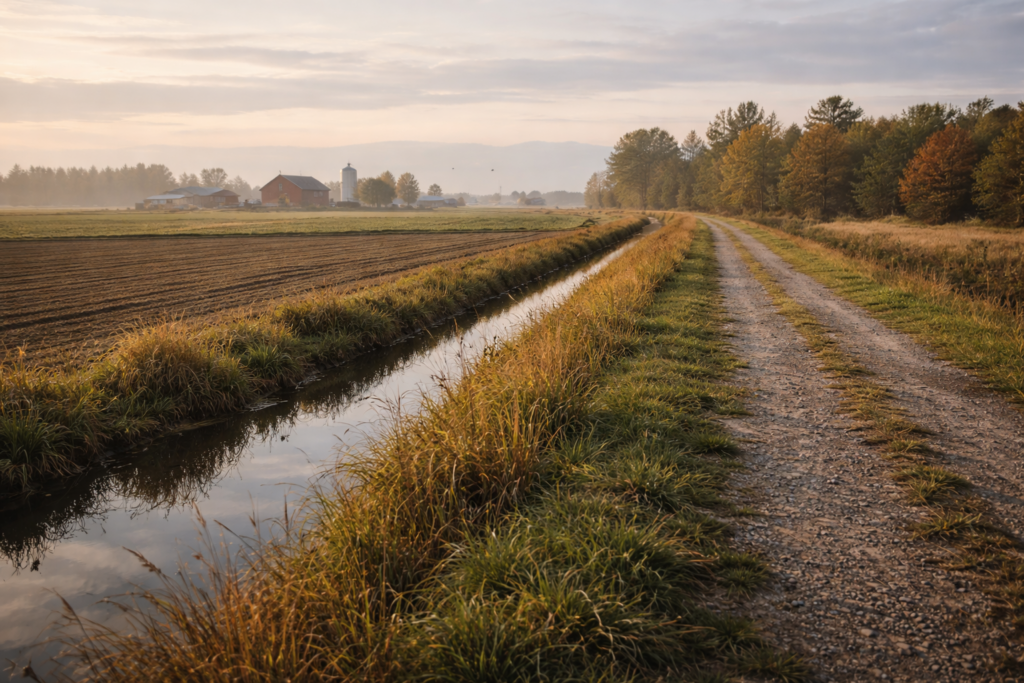
Thousands of years before settlers arrived, Indigenous communities shaped this land. The Musqueam and Squamish First Nations lived along our Fraser River shoreline, establishing traditions we still honour today.
We now celebrate our shared heritage through nearly 200 sites across Burnaby on our Heritage Inventories. We visit the Douglas J. Husband Discovery Centre for interactive exhibits, research our roots at Burnaby Archives, and stroll through historic Edmonds with its heritage clock tower honouring Burnaby’s early founders. Each spring brings us together at Burnaby Farmers Market, the longest-running festival in Burnaby since 1896, linking our fishing and farming heritage with today’s diverse community, building a home where everyone belongs.
Museums, Archives, and Historic Sites
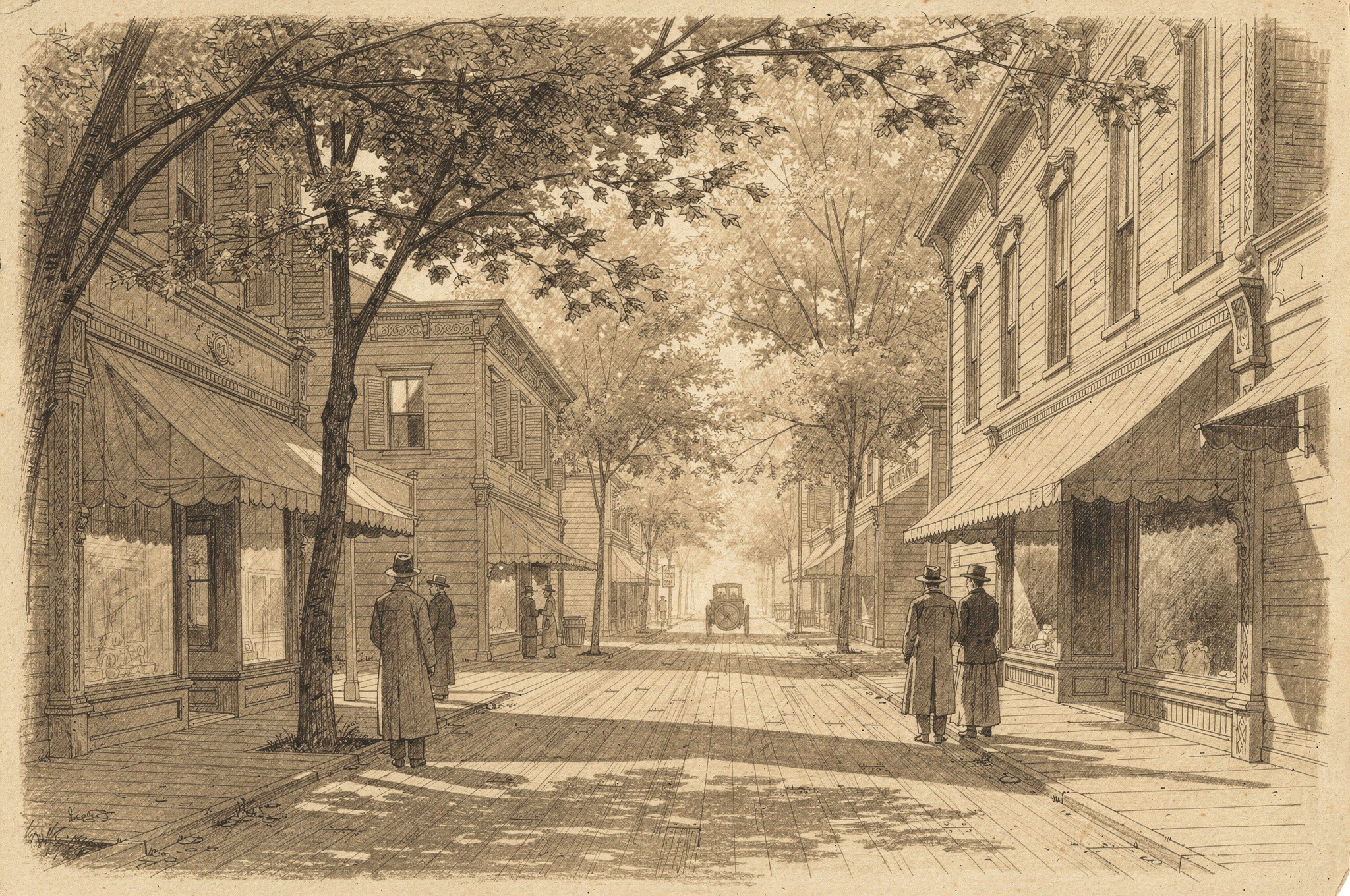
Walking into our Douglas J. Husband Discovery Centre is like flipping through a family photo album, you’ll find stories that built our neighbourhoods, from Indigenous heritage to hands-on exhibits where children can interact with Central Park wildlife in the habitat theatre and create their own Burnaby at the water table. When you want deeper ties to Burnaby’s past, visit Burnaby Archives in the same facility, where old photographs show familiar streets from decades past. Burnaby has heritage gems like the 1912 Municipal Hall on Burnaby Street (now heritage designated), the granite Edmonds Clock Tower erected in 1932, and the totem pole carved by Chief Wilkes James that same year. You can visit Edmonds for self-guided heritage walking tours and see our rural history through the Burnaby Heritage Driving Tour.
Modern Burnaby: Growth and Future Outlook
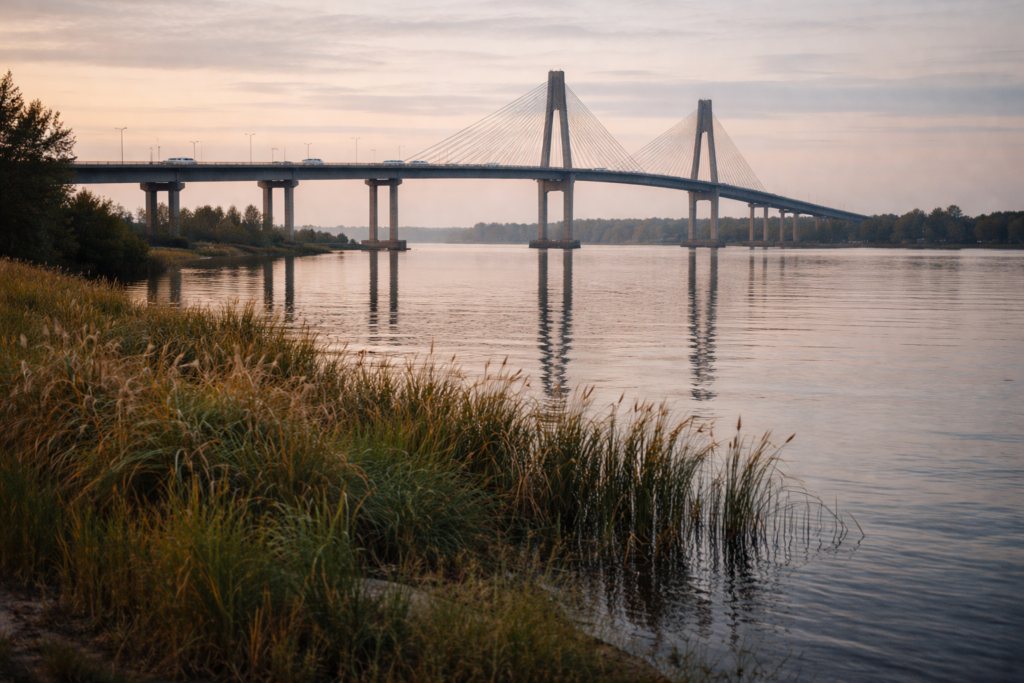
We’ve watched Burnaby grow from those early farming settlements into the thriving community you see today, one of Metro Vancouver’s most liveable places with a population of over 108,000.
From the early settlers’ first farmstead to a connected city with three distinct communities, Burnaby’s story of growth continues unfolding before our eyes.
Our growth reflects real change through thoughtful development across 179 square kilometres. Since our incorporation in 1892, we’ve preserved what makes each neighbourhood special:
The 1959 Simon Fraser University and 1986 Metropolis at Metrotown ended our isolation and brought tremendous growth. Burnaby’s story keeps writing itself, and our future means continued success for all of us who call this place home.
Questions Often Asked
What Is Burnaby, BC, Known for Historically?
Burnaby’s history runs deep through our Indigenous heritage with the Musqueam peoples, our agricultural and fishing past near Deer Lake, and Burnaby Farmers Market, which has been bringing folks together since 1896.
What Are Some Historical Highlights of Burnaby, BC?
Edmonds comes to mind for good reason. You’ll find heritage buildings along Burnaby Street, the 1932 clock tower honouring Burnaby’s early founders, and the charming atmosphere of an early 20th-century village, creating a setting where your best memories take shape.
When Was Burnaby Incorporated as a Municipality?
Burnaby received its charter of incorporation in 1892.
When you walk through Edmonds’ heritage streets, you’re seeing where that early growth took root. Incorporation followed the interurban tram line built between Vancouver and New Westminster, and we’ve grown steadily since while preserving our agricultural and fishing heritage.